




 BooksCLASSIFICATION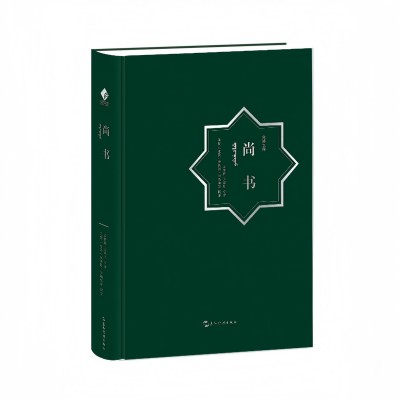
Title: Shangshu: Chinese - Arabic
Modern Chinese Translators: Wang Shishun, Wang Cuiye
Arabic Translators: Wang Fu, Hussein Ismail (Egyptian)
Publisher: China Intercontinental Press
Publication Date: July 2020
Format: Hardcover, 16 - mo
ISBN: 9787508544731
Price: 68.00 CNY
Shangshu is one of the traditional "Five Classics". As a compilation of ancient historical archives, it is an important classic for exploring and researching the cultural features of ancient times. Due to its long - standing origin and the numerous hardships it has endured during the process of transmission and learning, its versions, characters, and compilation sequences have all changed and become disordered to varying degrees. This has led to the formation of two systems: the New Text Shangshu and the Old Text Shangshu. Throughout history, there have been diverse opinions regarding this, and the language of Shangshu is also extremely archaic and difficult to read. For this edition of Shangshu, we have specially invited renowned research experts such as Wang Shishun, Wang Cuiye, and Wang Fu to provide detailed annotations and meticulous translations, hoping that this classic can be read and understood by more people both at home and abroad.
Shangshu is a compilation of ancient Chinese historical documents and some works recounting ancient deeds. It preserves some important historical materials from the Shang and Zhou dynasties, especially the early Western Zhou Dynasty. During the Warring States period, it was generally called Shu. The Han people renamed it Shangshu, which means "the books of the ancient emperors". It is said that Shangshu was compiled by Confucius, but some chapters were added later by Confucian scholars. Shangshu has always been regarded as a classic of political philosophy in Chinese feudal society. It is not only a textbook for emperors but also a "fundamental classic and great law" that noble descendants and literati - officials must abide by. It is an ancient document of great historical and cultural value.
Wang Shishun: Professor and Master's supervisor. He graduated from Shandong Normal University with a bachelor's degree in 1959 and completed a correspondence postgraduate program at Shandong University in 1961. He taught at Liaocheng Normal School and Liaocheng No.1 Middle School. In 1974, he began teaching at Liaocheng Teachers College (now Liaocheng University). Since 1992, he has enjoyed a special government allowance from the State Council. In 1993, he was named an outstanding teacher in Shandong Province and retired in 2002. He mainly focuses on the classics of the Confucian and Taoist schools in the pre - Qin period. He has successively written monographs such as Annotations and Translations of Shangshu and Annotations and Translations of Zhuangzi, which won the second and third prizes of outstanding achievements in social sciences in Shandong Province. Annotations and Translations of Shangshu has been published in multiple versions. He has edited nine dictionaries of important pre - Qin works, including the Dictionary of Laozi and Zhuangzi, the Dictionary of The Book of Songs, and the Dictionary of Mencius. In 1982, he served as the business team leader of the Liaocheng Teachers College compilation group for the Great Chinese Dictionary, participating in the compilation and review of this dictionary. In 1994, he was employed as a special editorial board member for the Jing section of the Continued Compilation of the Complete Library in the Four Branches of Literature. He has published more than 20 academic papers and compiled and published Essays on Confucian and Taoist Theories in the Pre - Qin Period.
Wang Cuiye: Associate senior editor. She graduated from the Chinese Department of Beijing Normal University with a master's degree in the history of Chinese language in 1991. In the same year, she started working at the Language and Character Application Management Department of the State Language Commission. In July 2011, she served as the deputy inspector of the Language and Character Information Management Department of the Ministry of Education. In August, she became the deputy director of the Xinjiang Minority Language Commission. In 2014, she took on the position of deputy editor - in - chief of the Language and Culture Press. She has participated in and organized the development of more than 40 language and character standards, such as the Table of General Standard Chinese Characters and the Standardized Stroke Order of Commonly - Used Chinese Characters in Modern Chinese. She has published more than 30 academic articles on language and character application research and publishing, and has edited and written more than 20 books and teaching materials, including A Collection of Adages from Zhuangzi, Annotations and Translations of Shangshu, 1000 Sentences of Putonghua, and Excellent Traditional Chinese Culture.
Wang Fu: Born in 1945, he is a senior translator. He graduated from the Department of Oriental Languages and Literatures at Peking University, majoring in Arabic in 1969. From 1979 to 1981, he studied at the Faculty of Arts of the University of Baghdad. He once served as the chief editor of the Arabic version of China Today magazine at the China Foreign Languages Publishing Administration. He has published more than 80 translated works in different fields, covering novels, poetry, literary criticism, culture, history, philosophy, medicine, religion, etc., such as A Sad Smile, Reflections on Turning Seventy, Muqam, Literature and Literary Criticism, The Mu'allaqat, Characters and Colors, The Ever - Living Son of the Awakened: The Story of Hayy ibn Yaqzan.
Hussein Ismail: A famous Egyptian translator, he is the deputy chief editor of the Arabic version of China Today magazine at the China Foreign Languages Publishing Administration.